.png)

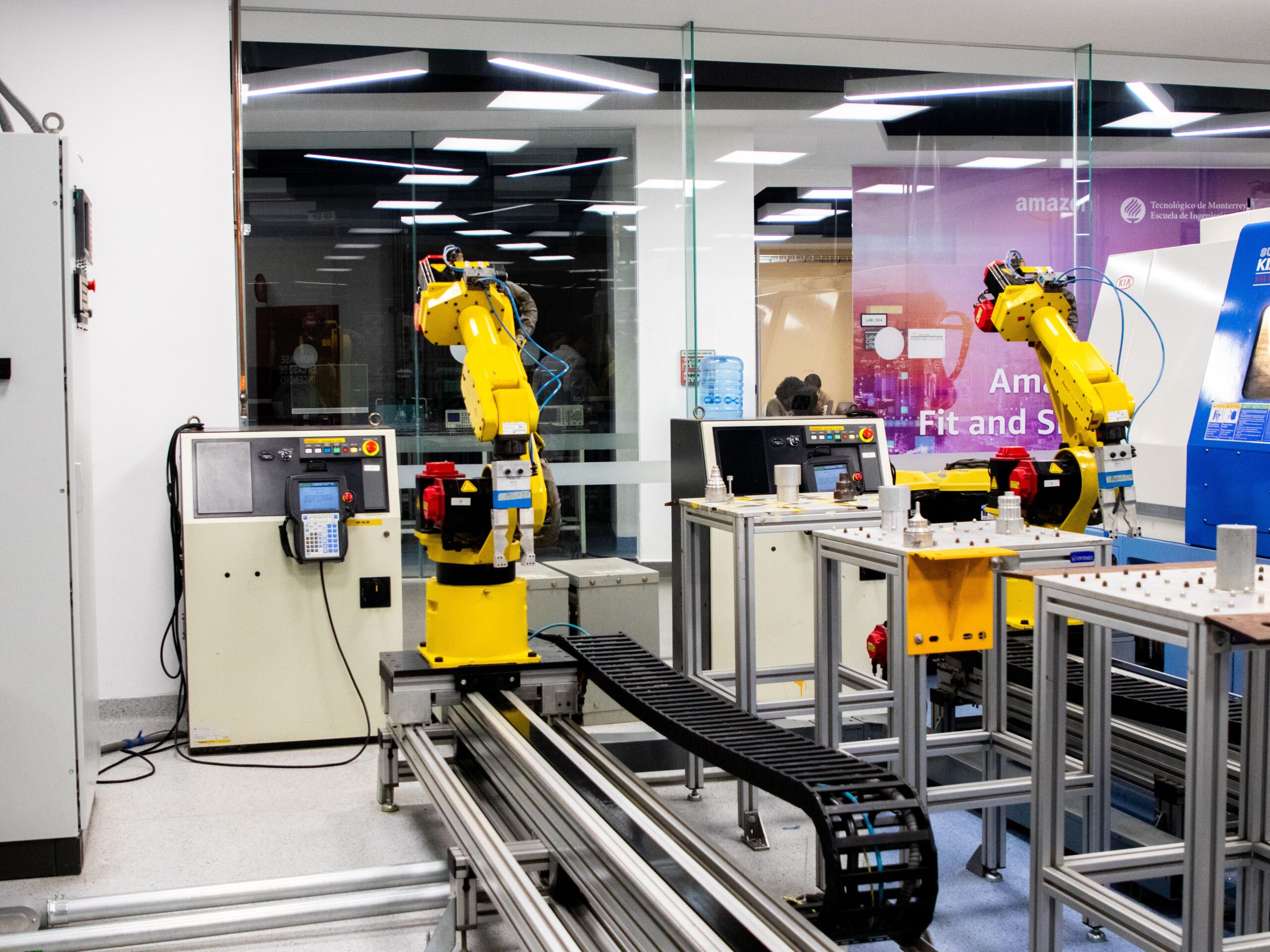
Factory planning based only on drawings and a static layout leaves plenty of room for errors that only surface after the machines are already on the floor. A digital twin is a living virtual model of the plant – including production lines, robots, and material flow – that lets planners run scenarios and check for bottlenecks before spending a single dollar on physical construction. Unlike BIM, which mainly describes geometry and statics, a digital twin adds real-time dynamic behavior and connects to actual IoT data from the plant (virtual commissioning).
Benchmark
- Commissioning time for a new production line shortened by about 20%-30% when a digital twin is used in advance.
- Costly change orders during physical construction reduced by tens of percent, thanks to clash detection during the simulation stage.
- Simulated output forecast accuracy versus actual output: above 90% in mature projects.
What’s Happening in the World
Siemens, NVIDIA (with its Omniverse platform), and major automotive and electronics manufacturers are investing in digital twins connected to MES and IoT systems, simulating not just physical construction but also maintenance scenarios, demand shifts, and supply disruptions on the same virtual model.
Use Case: An electronics component manufacturer planning a new production line built a full digital twin of the line before ordering equipment. The simulation revealed a bottleneck at a test station that would have caused an 18% drop in output – the plan was corrected on paper, and actual construction met the original schedule in full, with no unplanned stoppages in the first three months of operation.
Related articles: P2P Systems in Procurement: The Complete Guide from Requisition to Payment – and the Supplier Portal Driving It | Tariffs, Trade Wars and Reshoring: Where Global Supply Chains Are Heading in 2026 | Category Management in Procurement: From Operational to Strategic Procurement | Sustainable Procurement and ESG: When Sustainability Becomes a Baseline Requirement, Not a Nice-to-Have