.png)

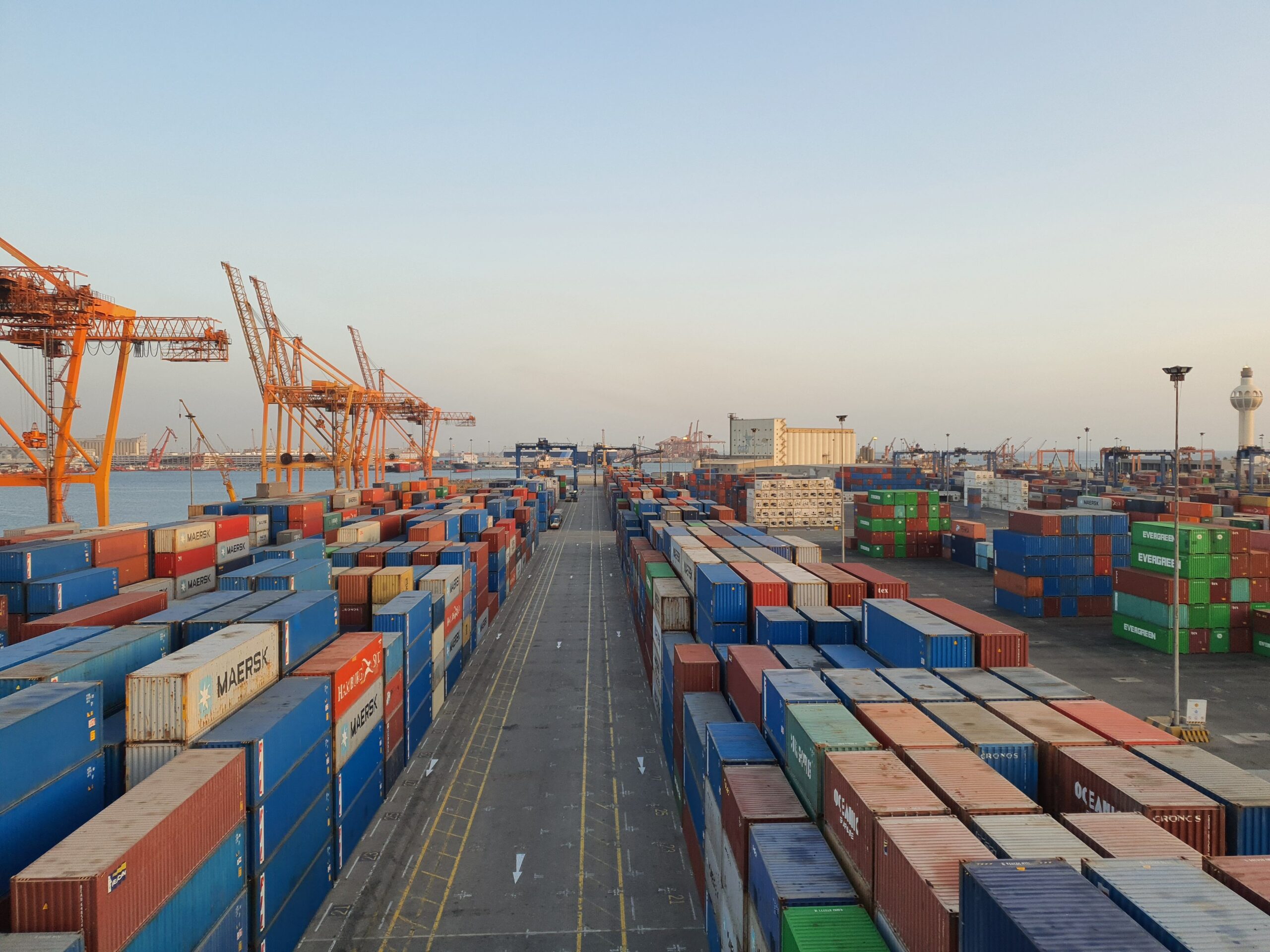
Years of shifting tariffs, trade tension between major powers, and geopolitical disruptions have taught many organizations that a supply chain built only around low cost is a fragile one. More companies are reassessing where they manufacture, whom they buy from, and how many backup suppliers they need on hand at any given moment.
Benchmark
- Organizations with a single supplier for a critical component experience 2-3 times more production stoppages than organizations using dual/multi sourcing.
- Average safety stock increase across global supply chains is estimated at 15%-20% since the start of the recent wave of trade disruptions.
- A significant rise in the number of companies reporting a “China Plus One” strategy or manufacturing diversification to additional regions.
What’s Happening in the World
Mexico, Vietnam, India, and Eastern European countries are becoming preferred reshoring/nearshoring destinations for US and European companies seeking to shorten supply chains and reduce tariff exposure. At the same time, large organizations are investing in scenario-planning tools that let them assess the financial impact of tariff changes before they actually happen.
Use Case: A US consumer goods manufacturer that relied on a single East Asian supplier for 90% of its sourcing built a network of three suppliers across three continents within 18 months. The result: exposure to any single tariff was cut in half, and recovery time from a supply disruption shortened from about 11 weeks to about 4 weeks – a move that reinforced what the company calls supply chain excellence: the ability to maintain a stable service level even under uncertainty.
Related articles: P2P Systems in Procurement: The Complete Guide from Requisition to Payment – and the Supplier Portal Driving It | Category Management in Procurement: From Operational to Strategic Procurement | Factory Planning with Digital Twins: From Simulation to Decision | Sustainable Procurement and ESG: When Sustainability Becomes a Baseline Requirement, Not a Nice-to-Have